
The History of Bad Waltersdorf
From Antiquity to Today – The History of Bad Waltersdorf
A place where history, nature, and thermal water merge into a unique experience – and where you feel the warmth of the region in every encounter.
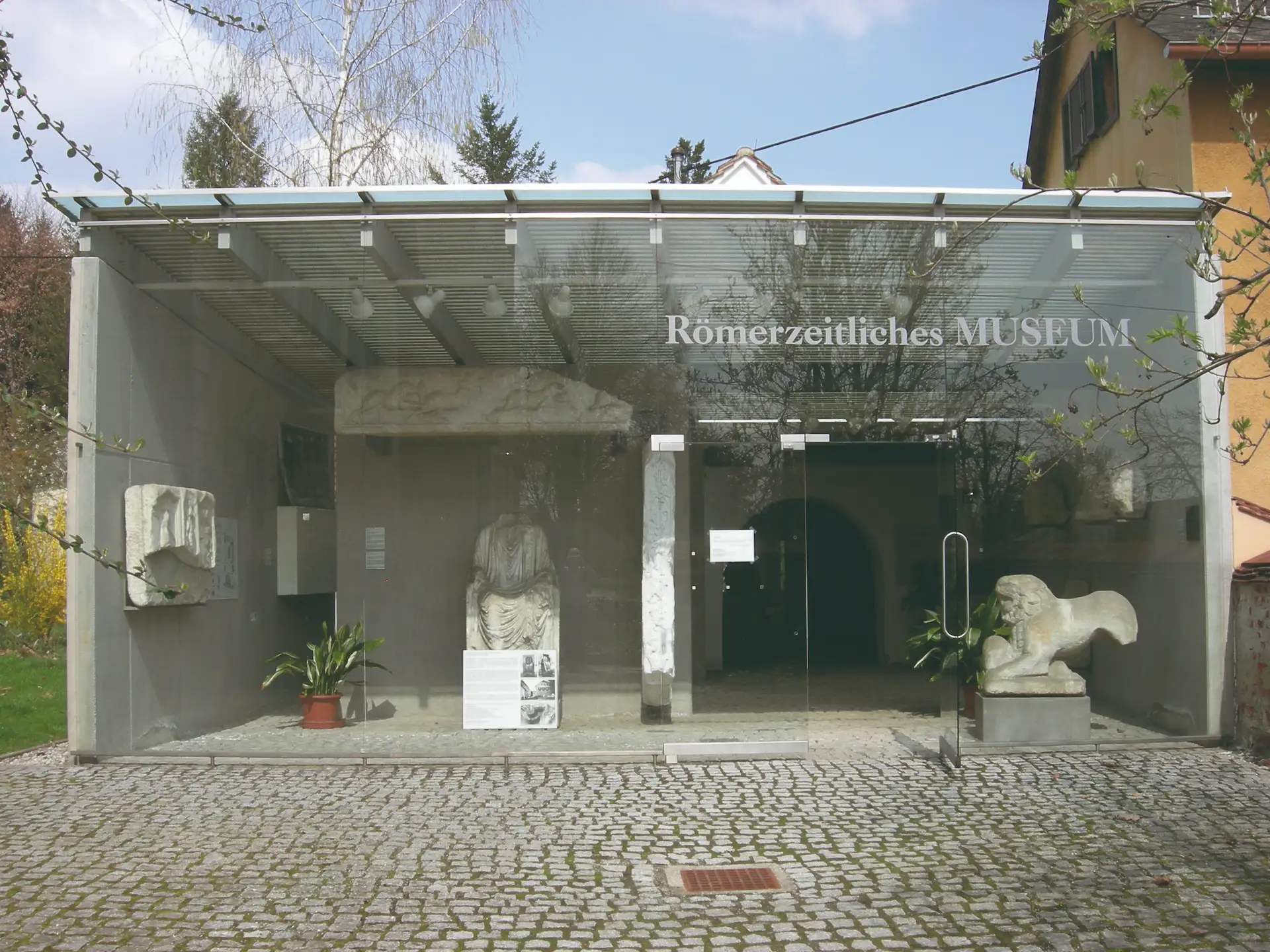
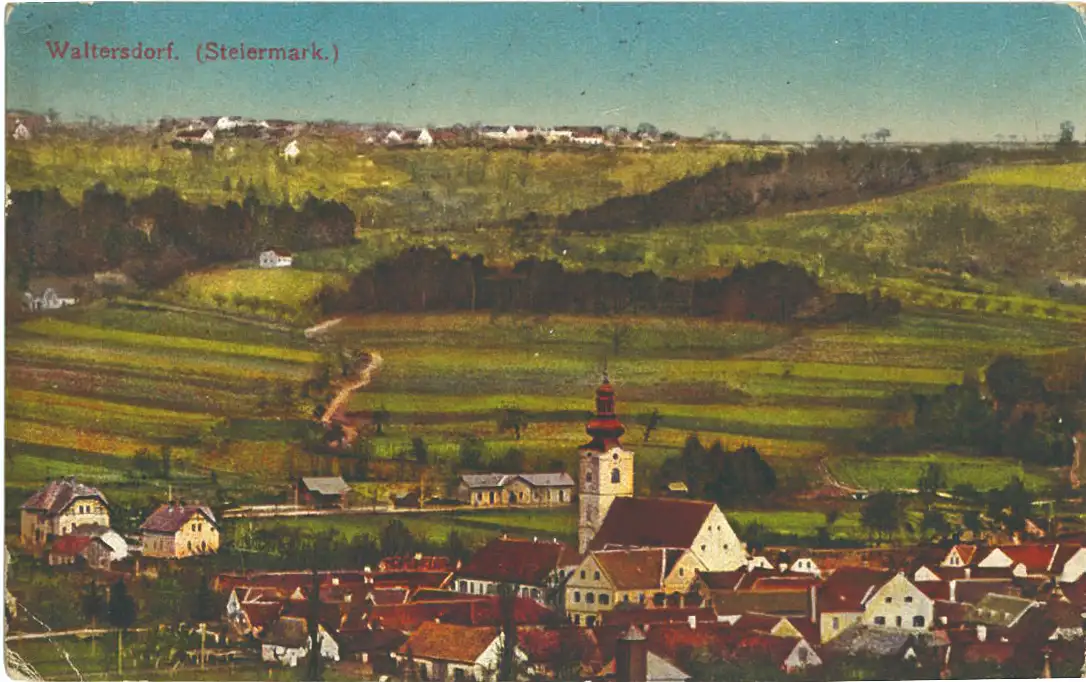
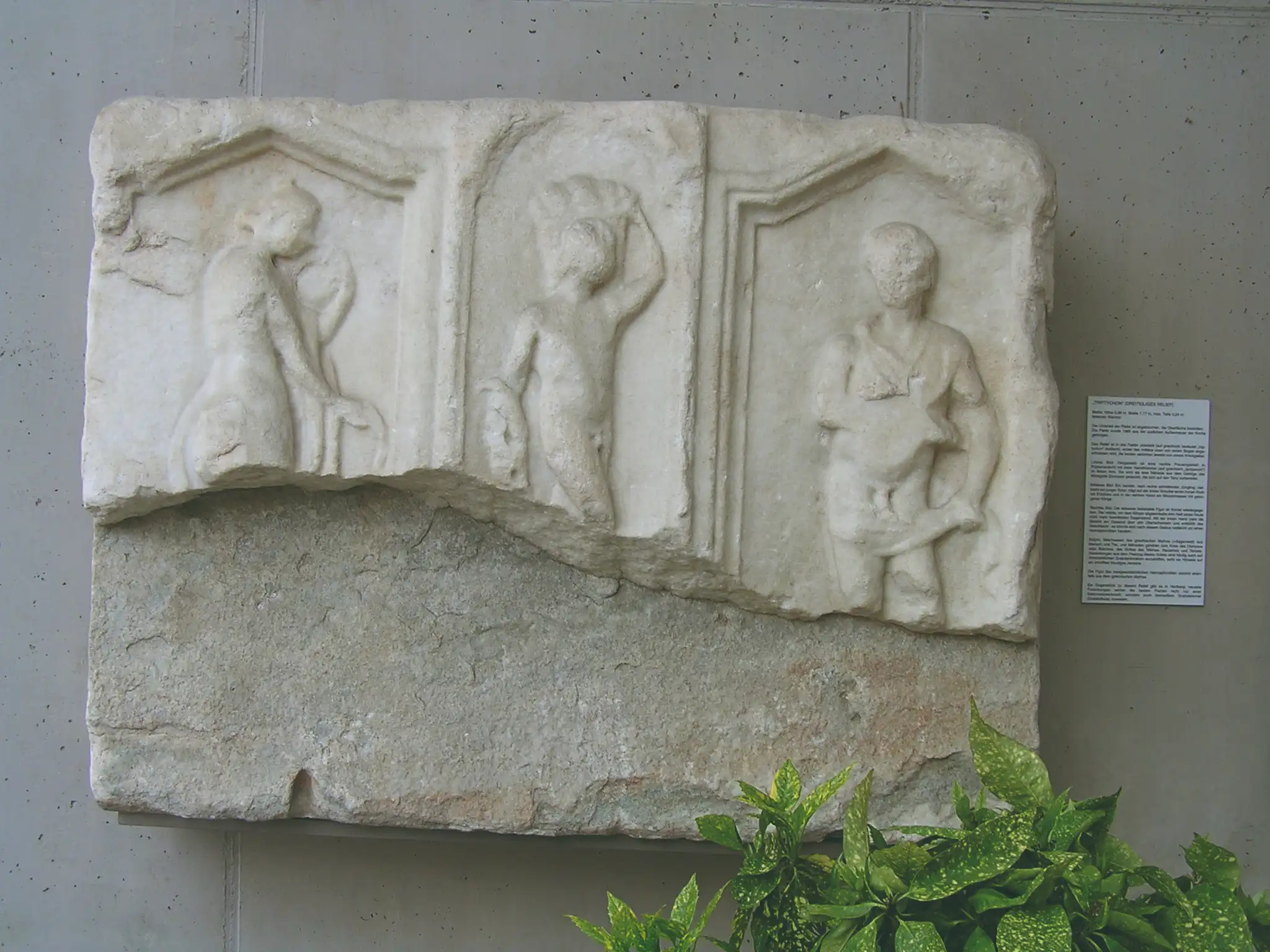
Apple trees and grapevines flourished on the hills around Waltersdorf. The Celts settled here and engaged in lively trade with the Romans, who later built large estates. Roman tombstones and reliefs in the Roman Stone Museum still bear witness to the significance of the place.
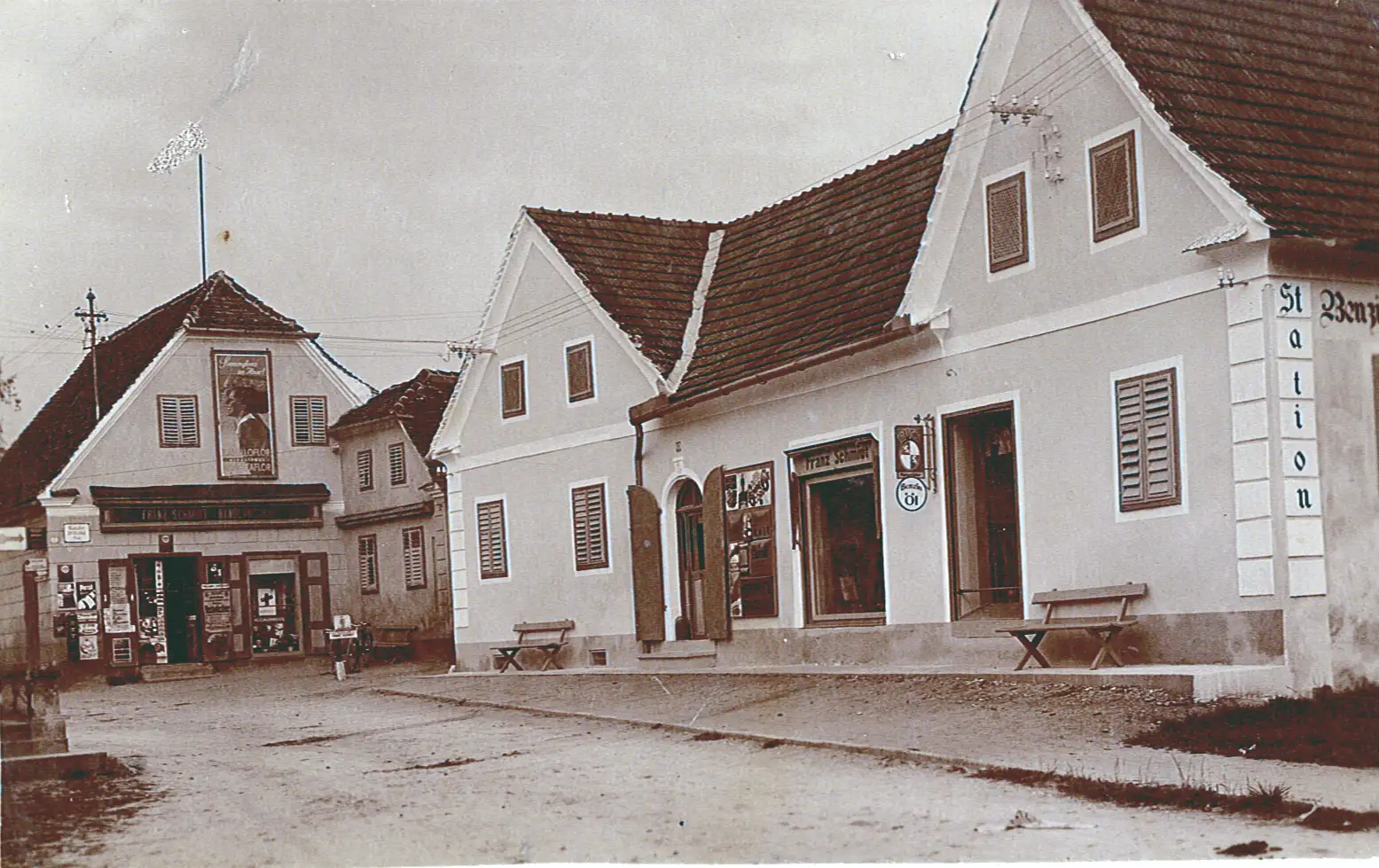
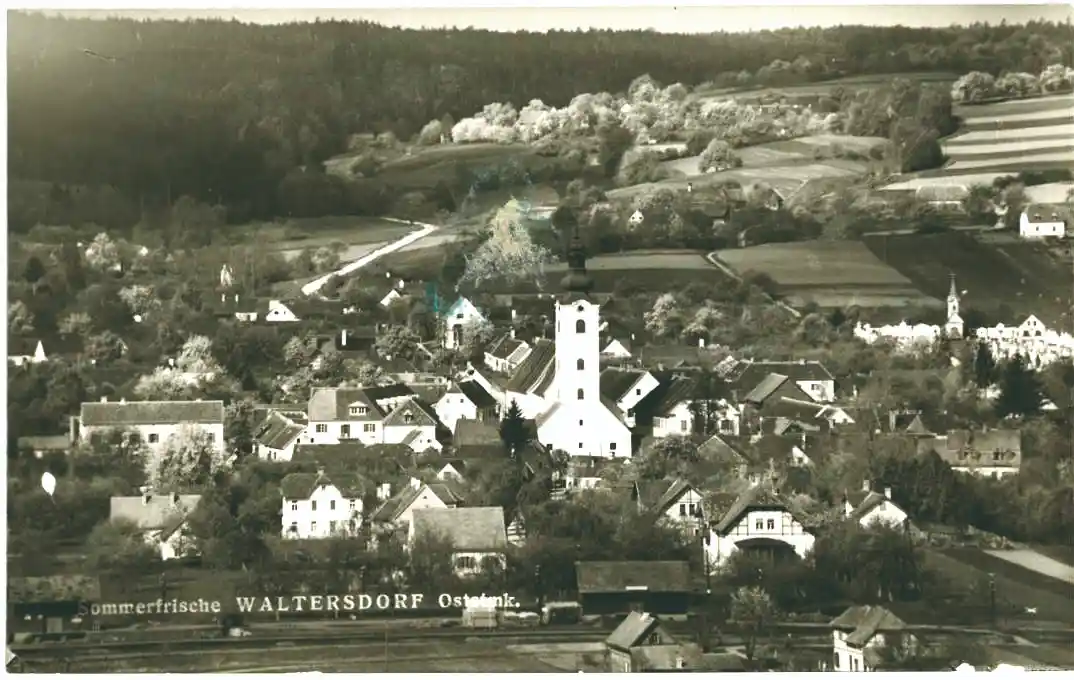
The noble Walther von der Traisen founded "Walthers-Dorf" with his settlers. The "Walther Fountain" in the town center commemorates him.
Waltersdorf is first mentioned as the original parish of the Archdiocese of Salzburg. Even then, the clear water of the region was appreciated – a sign of things to come in later centuries.
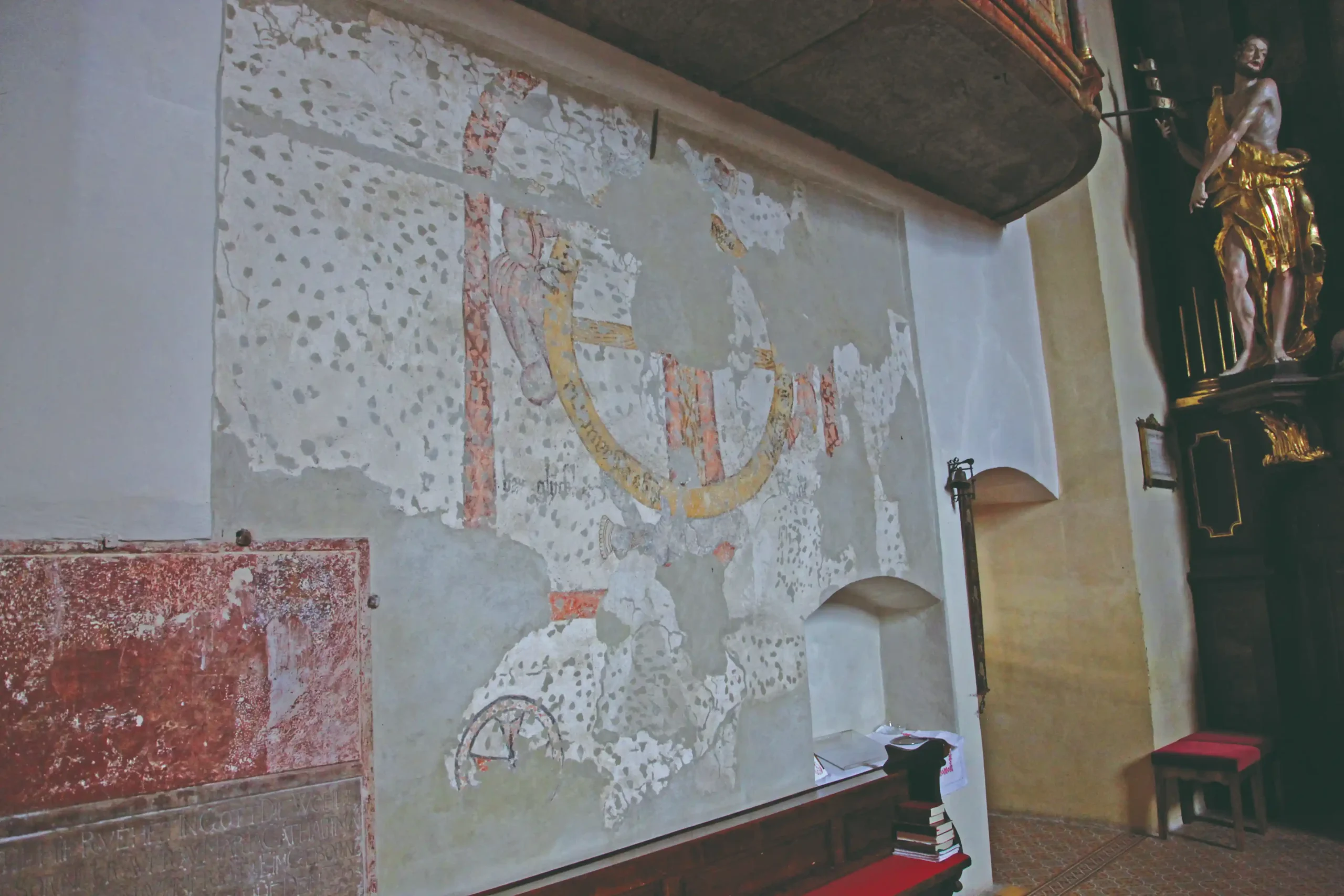
Creation of the cultural-historical jewel, the Waltersdorf Wheel of Fortune, discovered in 1990 in the parish church.
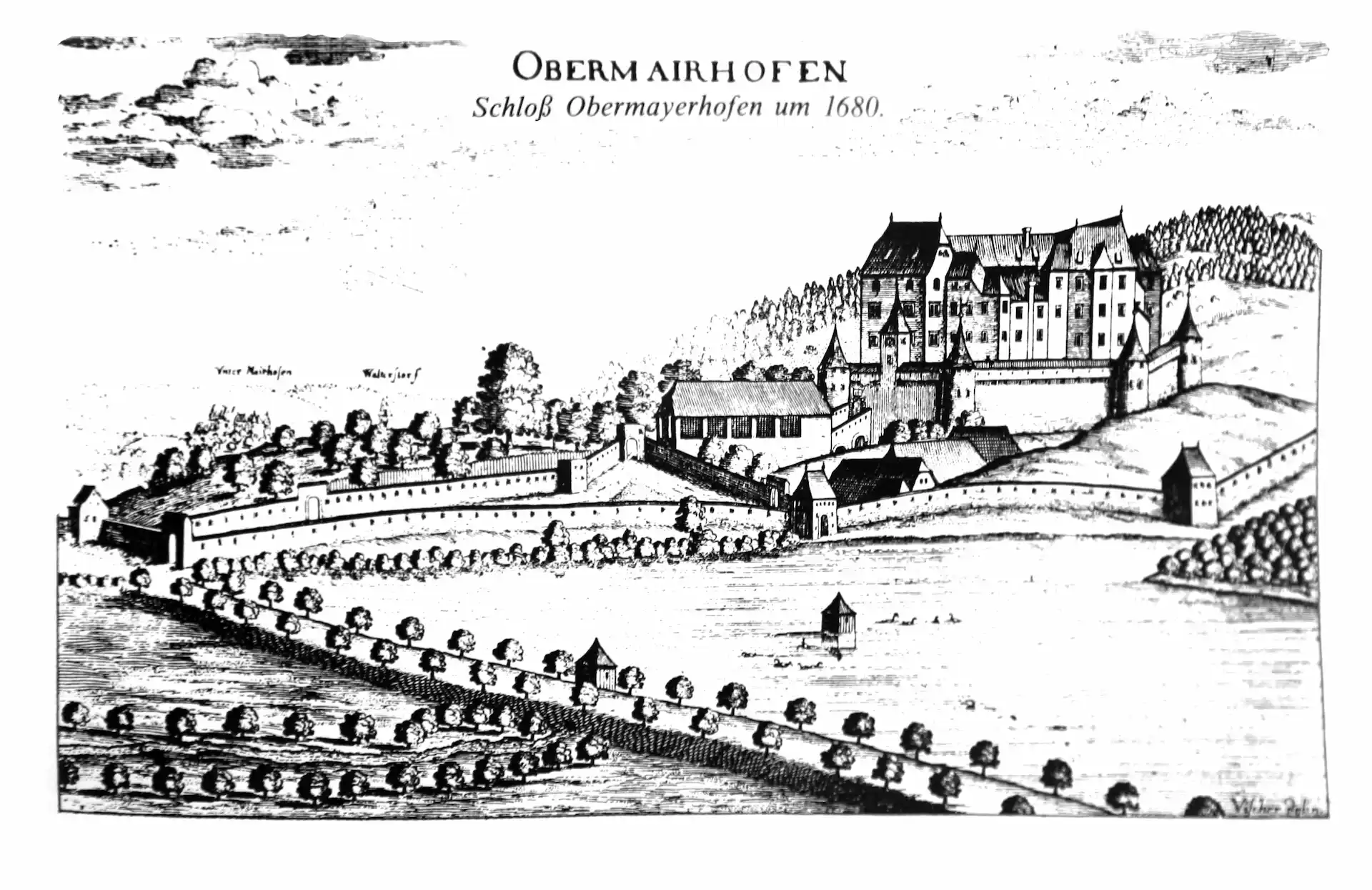
Obermayerhofen Castle is expanded by the Knights of Teuffenbach and becomes the center of aristocratic life in the region for centuries.
A time of struggles: Hungarians, Turks, and rebels plunder the land. But Waltersdorf survives all turmoil and continues to grow. Around 1750, the charming Wieskapelle (meadow chapel) is built at the southern edge of the village.
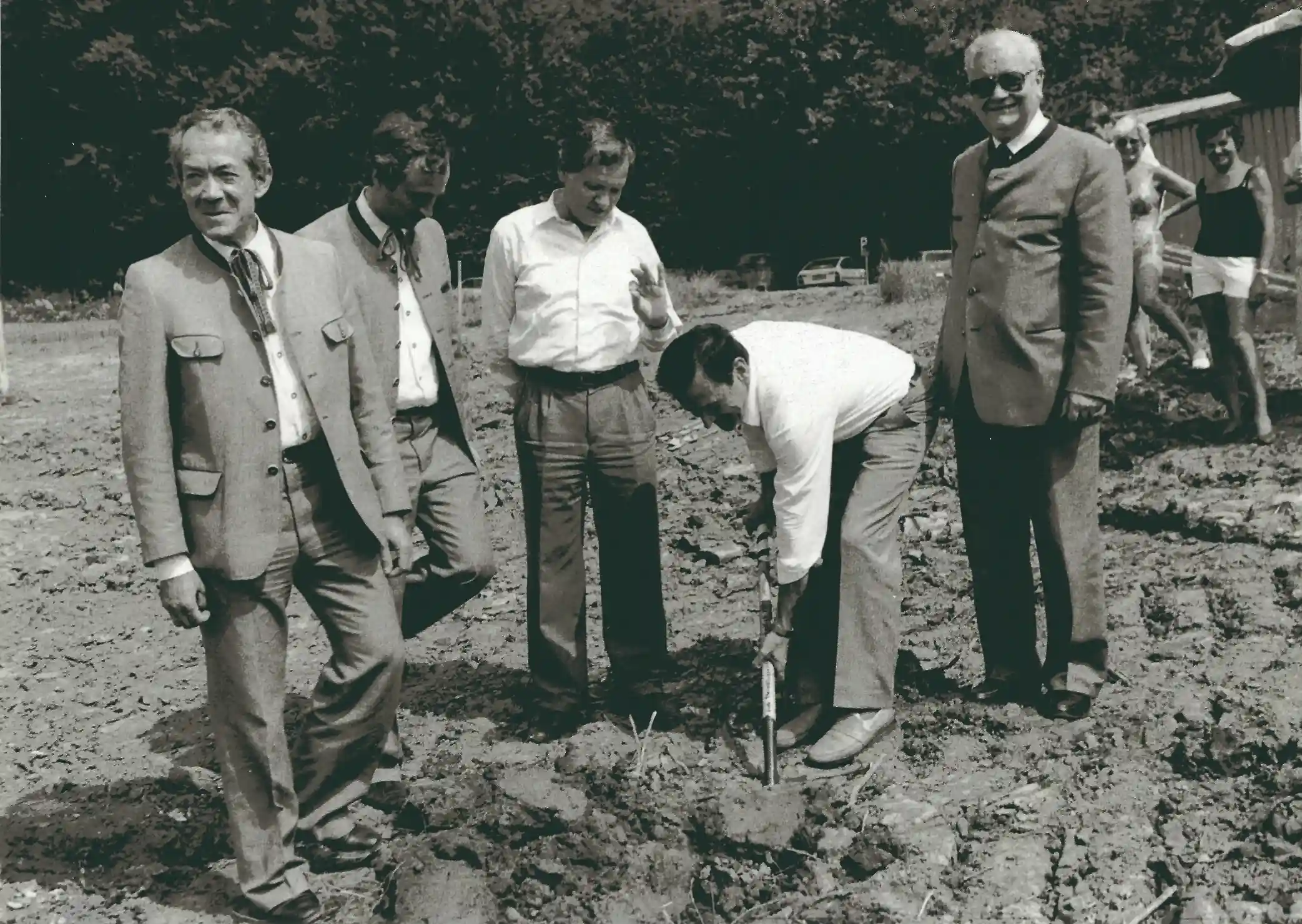
An oil drilling instead yields hot, healing water. This marks the beginning of the thermal spa miracle.
First use of geothermal energy: Schools and houses are heated with thermal energy – a pioneering project in Austria.
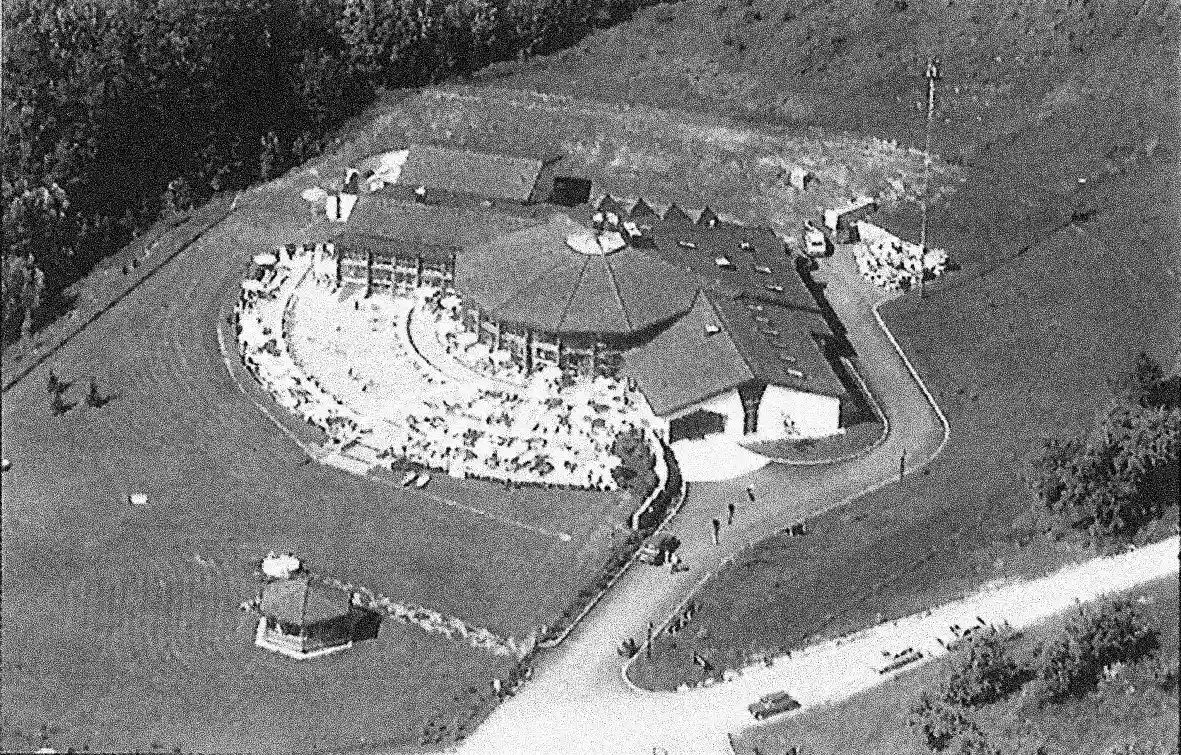
Opening of the Heiltherme Bad Waltersdorf (Bad Waltersdorf Thermal Spa), which ushers in a new era of tourism with its environmentally friendly heating system.
Hotels, wellness facilities, and finally the H₂O Thermal Spa and the golf course (2005) make Bad Waltersdorf an international thermal and health resort.